
Righteous Outfits Buying Guide Style and Care Notes
Upstanding Feedback Roundup: Comparing Buyer Feedback Across Multiple Marketplaces
Trying out an unfamiliar label always comes down to trust, because trust is shaped by what previous customers say once the order lands. We Are Righteous has built momentum over time as a name in apparel bordering on streetwear, and with this expansion comes a scattered trail of reviews scattered over marketplaces, social platforms, and independent forums. Gathering those scattered accounts gives a more accurate read than one lone five-star rating ever could. This roundup looks at what buyers genuinely think about Righteous clothing, where positive feedback tends to gather, where dissatisfaction tends to appear, and what trends come into focus once you line the platforms up against each other. We’re not aiming to exaggerate or diminish the brand’s image but to give shoppers an evidence-based overview before they finalize a purchase.
Reviews rarely tell the same story twice. One buyer on a given site might rave about the fit of a Righteous hoodie while another, elsewhere, zeroes in exclusively on shipping speed or customer service response time. That unevenness is normal, but it’s also instructive — it shows which aspects of the brand are reliably solid and which ones fluctuate depending on the buyer’s expectations or region. This article organizes the commentary into groups: item quality, fit accuracy, customer service, and delivery experience, then compares how each platform’s community tends to weigh these factors.
Why Cross-Platform Reviews Outweigh a Single Score
One lone score from a single platform can be deceptive. Ten reviews averaging 4.8 stars seems remarkable until you realize it’s based on a tiny pool, or that the reviews were left within days of launch before long-term durability had been tested. Cross-referencing feedback from multiple platforms — consider dedicated review aggregators, social commerce comments, and community forums — lowers the chance of relying on an unrepresentative sample. It also makes clear whether complaints are isolated urban streetwear incidents or consistent trends tied to certain product categories.
This matters even more when it comes to We Are Righteous, which sells through multiple outlets. Buyers going through a marketplace may have varying policies and service standards than those who buy directly. A we are righteous review left on a third-party marketplace might be shaped by issues with that platform’s fulfillment process rather than the brand itself. Separating platform friction from product feedback is one of the smarter things a shopper can do before committing to an order in 2026, when so many brands operate across five or six sales channels at the same time.
There’s also a timing element. Write-ups covering a product’s opening month on shelves typically zero in on the unboxing experience and initial reactions, while feedback posted three to six months later focus on how well things hold up — how the stitching holds up, whether the fabric pills, whether the print cracks after repeated washes. A thorough roundup weighs both types, because a genuinely honest review posted right after launch tells you something different than one posted after a full season of wear.
How Shoppers Rate Product Quality
Looking across the platforms examined here, product quality is the category with the highest and steadiest levels of praise. Shoppers frequently bring up the weight and feel of the fabric, especially with heftier items such as the Righteous hoodie line, calling the fabric solid and dense instead of flimsy or sheer — a gripe often leveled at lower-cost streetwear rivals. Remarks on how the seams hold up through repeated washing also lean favorable, with multiple buyers reporting they’d worn a piece 15 to 20 times without any obvious fraying at the seams.
Color retention is yet another pattern that keeps coming up. Multiple reviewers specifically noted that printed designs kept their form and brightness after being run through the wash, which matters for a brand whose visual identity leans on striking type treatments and logo positioning. Still, not every write-up sings praises. A smaller percentage of buyers — clustered mostly on one social commerce platform — noted small sizing discrepancies from batch to batch, indicating that certain manufacturing batches might differ a bit. It’s a detail worth noting rather than dismissing, since it affects a returning customer’s confidence in reordering the identical size.
On the whole, when you combine the descriptive reviews, the overall tone around Righteous apparel build sits clearly in positive territory, with construction gripes representing a small share rather than the norm. That’s a meaningful distinction for anyone comparing this brand against competitors in a saturated clothing market.
Understanding Sizing and Common Fit Issues
Fit is the point of greatest disagreement among reviews. Some shoppers say the cut matches standard size charts closely, while some advise ordering one size bigger for a looser, more streetwear-inspired fit. This isn’t necessarily a flaw — many streetwear brands intentionally cut looser — but it does mean first-time buyers should read multiple reviews rather than relying on a single data point before picking their size.
In cases where people sized up with the hoodie line, positive feedback about the drape and sleeve length was more commonly reported; on the other hand, people who ordered their typical size occasionally noticed a tighter-than-anticipated fit, most notably around the shoulder region.
This tendency surfaces across more than one platform, which suggests that the cut itself behaves this way rather than an isolated batch issue.
Taller reviewers tend to report a better proportional fit than shorter customers, because build and stature also factor heavily into these observations.
The takeaway for shoppers browsing a we are righteous review before buying: pay attention to the reviewer’s stated size choice and body type, not just their star rating. A five-star review from someone who sized up means less if you’re planning to order true-to-size, and vice versa.
Client Support and Response Times
Compared with every other segment covered here, reviews of customer care show themselves as the most platform-dependent. Compared with those who went through third-party marketplace intermediaries, shoppers who reached the brand’s in-house support directly report faster resolutions on the whole. Response times referenced in customer comments span from a same-day reply to a handful of days for full resolution, depending on the complexity of the issue — an exchange for sizing compared with a damaged item claim, as one case in point.
During busy stretches such as seasonal launches or festive promotions, wait times naturally increase, and grievances of this kind typically cluster around this issue. On the flip side, satisfied customers frequently praise how clear and practical support staff tend to be, particularly while sorting out returns from the earlier-mentioned sizing mismatches. These patterns imply its customer-service staff is usually attentive when you manage to reach them, but that surges in demand can create temporary friction — a trend widespread among apparel brands selling straight to consumers and not something exclusive to this brand.
Customers concerned about after-sale service should build in when they choose to buy: buying amid a large-scale sale may lead to a bit more time needed for any support ticket relative to placing an order in a calmer stretch of sales.
Looking At the Shipping Journey Over Different Purchase Outlets
More than seasonal timing, your chosen platform shapes comments on delivery more than when you order does — good to know when working out where to purchase.
When you compare shipping remarks side by side, it becomes clear that feedback on third-party listings sometimes mirror the marketplace’s own shipping partners rather than anything the brand controls directly.
Several buyers who bought straight from the brand mentioned custom packaging and printed inserts that reinforced the impression of purchasing from a recognized name rather than a reseller setup, reporting overall a more consistent packaging experience.
Customers describe shipping durations that go from a few business days for home-market orders up to longer periods for overseas shipments — consistent with everyday apparel trade standards. A small number of write-ups flag slowdowns during peak shopping periods, which is to be expected given how order volume surges across the sector around key retail moments. The notable point is that only a handful of accounts mention lost or misrouted packages — a reassuring signal for a brand whose logistics reputation could in another scenario be a soft spot.
Platform-by-Platform Snapshot
To put some detail behind the comparison, here’s how sentiment splits out across the core themes reviewers discuss, based on the aggregated patterns outlined above.
| Theme | Direct Brand Channel | Marketplace Listings | Social Shopping Platforms |
|---|---|---|---|
| Product Quality | Reliably favorable | Generally strong | Generally good, though some lots vary |
| Fit Accuracy | Fairly consistent | Inconsistent, ordering a size larger is advised | Inconsistent, fit shifts depending on build |
| Buyer Support | Prompt, with a fix-it approach | More sluggish, reliant on outside sellers | Variable, improves with direct contact |
| Fulfillment Experience | Consistent, arriving in branded packaging | Shaped by the marketplace’s own shipping setup | Mostly timely |
What This Means for Shoppers Comparing the Righteous Clothing Brand
Bringing these threads together, the picture that emerges is a brand with solidly impressive core products, some expected fit-related inconsistency, and a support experience that shines most when customers skip the middleman. That’s a reasonably common profile for a expanding apparel label in 2026, when most brands are balancing multiple sales channels and the review landscape that accompanies them.
If you’re trying to decide on a purchase and weighing which channel to buy through, the data here suggests ordering directly when possible, particularly if a smooth support experience and steady packaging matter to you. If a marketplace is your route, read up-to-date reviews tied to that particular listing rather than assuming they reflect the brand’s own channel. On the sizing front, cross-check a couple of reviews from buyers with a similar build to your own before deciding whether to order true-to-size or size up.
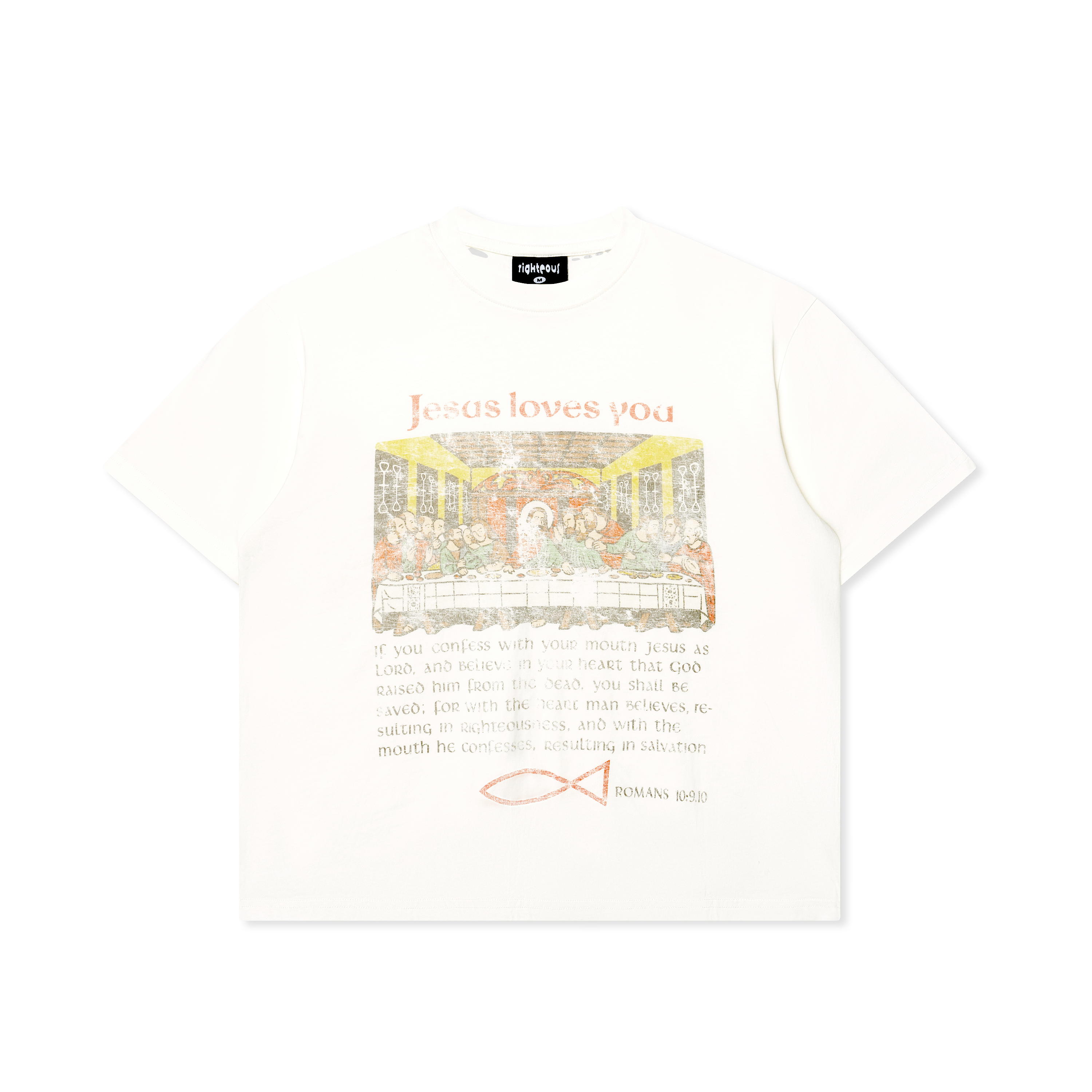
At the end of the day, the distribution of opinions across platforms tells a consistent narrative rather than a contradictory one: sturdy construction, a fit that rewards a little research, and service that’s strongest closest to the source. This is helpful guidance for anyone deciding whether We Are Righteous belongs in their next order.