
Coveted Roots Denim Tears Cotton Flower Emblem
Is a Denim Tears Hoodie Actually Worth It? A Straight Cost Breakdown
The question reaches me in an identical form every time. A friend comes across a cotton wreath hoodie in a group chat, pulls up the price, and instantly works out the quick mental sum against a plain fleece pullover priced at a fifth as much. That comparison is fair, and it warrants a genuine answer rather than a shrug or a sales pitch. What follows takes the maths seriously: what a Denim Tears hoodie actually costs in 2026, what the money genuinely buys, and where the value case survives and where it breaks. All the numbers below are estimates and ranges, not fixed quotes, because pricing moves with release, size, colourway and channel.
Founded in 2019 by Tremaine Emory, Denim Tears is anchored by a central graphic, the cotton wreath, which refers specifically to cotton cultivation, the transatlantic slave trade and African-American history. This is not a marketing footnote; it is the reason the piece exists in this form. A cost breakdown can sit alongside that fact without flattening it, and the honest version of this analysis treats the design as meaningful rather than as a logo that happens to move units.
What It Costs in 2026
A standard cotton wreath pullover by Denim Tears falls within a rough estimated band of $250 to $400 at retail in 2026, with heavyweight or seasonal variants reaching the top of that band. Nearer the top of that range you will find zip-up constructions and collaborative-capsule pieces. Resale pricing is broader and harder to predict, dipping under retail for common colourways and running well above it for sold-out drops. Which sizes remain also shifts the numbers, because medium and large clear first while the extremes end up discounted. For comparison, the brand’s jeans estimate around $300 to $500, tees roughly $100 to $200, and sweatpants somewhere near $250 to $350. Anybody searching denimtears as one word will turn up the same spread across resale listings, which makes a useful sanity check before you commit.
A Line-Item Breakdown: Where the Money Actually Goes
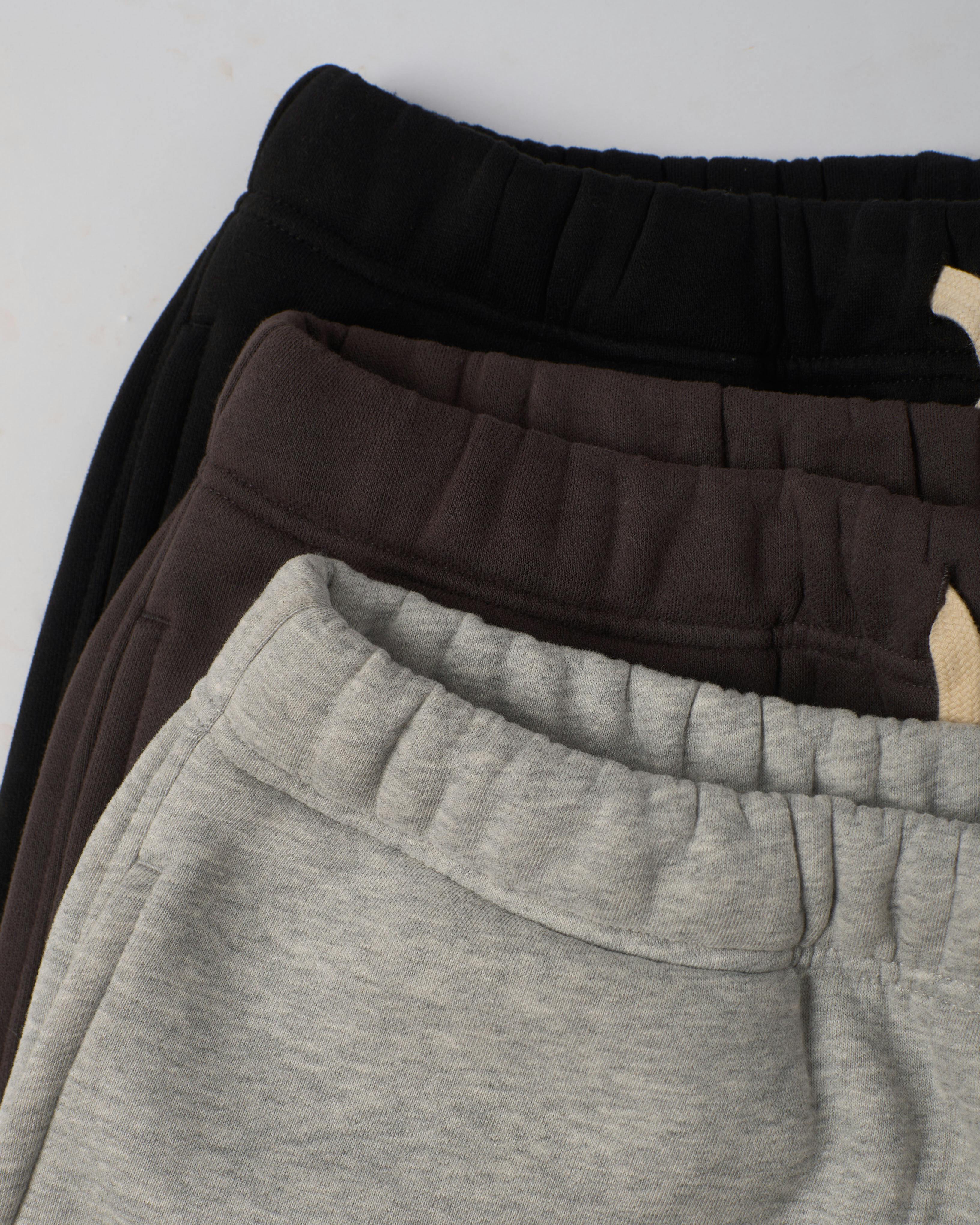
Breaking a roughly $300 hoodie into its cost components helps, because the price is not one undivided lump. Start with the cotton wreath streetwear blank, the smallest and most underestimated slice: at 12 to 14 oz, or about 400 to 480 gsm, a real heavyweight fleece body costs several times what a 280 gsm promotional blank costs. Decoration is the second slice, and multi-colour print work on a dense wreath graphic requires more screens, more passes and more rejects than a single-colour chest hit. The costs that never touch the garment come next: sampling, small production runs, design labour, distribution and the margin that keeps a small independent label solvent. That leaves brand premium, a real cost that buyers should price deliberately rather than deny. The rough split below is an illustrative estimate, not a disclosed cost sheet.
- The heavyweight shell and how it is built: about 12 to 18 percent of the retail price
- Print development and multi-pass decoration: around 8 to 12 percent
- Small-run production overhead, sampling and design: about 15 to 20 percent
- Retail margin, wholesale and distribution: around 30 to 40 percent
- Brand premium and scarcity: whatever is left
The Arithmetic That Settles It: Cost Per Wear
Taken alone, retail price measures value badly, and cost per wear replaces it honestly. The purchase price divided by the number of times you realistically wear the piece over the years you keep it changes the picture fast. A $320 denim tears hoodie in twice-weekly rotation for four years works out under a dollar per wear, which is below what most people spend on coffee. The same hoodie bought for a specific event, worn six times and then parked in a closet costs over fifty dollars per wear. Fabric weight is doing real work here: at 400 gsm-plus the cloth takes repeated washing better than thin jersey, and it keeps cuff and hem shape long after cheaper pieces have gone. The table below runs four honest scenarios rather than the flattering one.
| Buyer profile | Est. 2026 price paid | Wears a year | Years owned | Approx. cost per wear |
|---|---|---|---|---|
| Daily rotation staple | $320 | 90 | 4 | $0.89 |
| Weekend and travel piece | $350 | 35 | 5 | $2.00 |
| Statement piece, worn rarely | $400 | 12 | 3 | $11.11 |
| Bought, worn twice, then resold | $380, with $250 recovered | 2 | 1 | $65.00 |
Three Buyers, Three Very Different Verdicts
Buyer one lives in hoodies — four or five of them, in heavy rotation, almost daily. The maths alone justifies it, because the piece displaces cheaper hoodies that would have been replaced twice over the same period. Buyer two needs one good layer for weekends and travel and dresses another way for work entirely. Two dollars per wear is comfortably defensible, and the piece pays for its shelf space. Buyer three is chasing a seasonal look and knows it will not last. That is renting a moment, not buying a garment, and the budget should reflect that instead of borrowing the word investment.
Where the Argument Falls Down
There are real arguments against the purchase, and leaving them out would turn this into an advertisement rather than a breakdown. Build quality at this price tier is good, though not categorically ahead of what a well-made $120 heavyweight blank gives you in stitching and fabric alone. The fit is boxy by design, and a buyer who prefers a trim silhouette will find the drop-shoulder cut works against them no matter which size they choose. Print durability is the usual practical complaint across graphic streetwear as a whole, and every dense graphic fades with repeated hot washing, no matter the label. Availability is unreliable, so the colourway you want may only turn up on resale at a premium. Staying warm is covered by a plain denim hoodie or an unbranded fleece for a fraction of the money.
The Resale Cushion Most Buyers Ignore
A factor that rarely makes it into the calculation is recoverable value, and it materially changes the risk. Established graphic pieces from the label have broadly held a meaningful share of retail on resale, with common colourways often trading somewhere around 60 to 85 percent of original price in good condition. No guarantee is implied, and none of this is investment advice — just an observation about several years of category behaviour. In practical terms, falling out of love with the piece costs you a partial loss rather than a total one. Nothing affects that recovery more than condition, so keeping the original tags, washing cold and drying flat protects the number. Less predictable in both directions are the rarer collaborative pieces, and that cuts both ways.
Where That Leaves You
The case holds if you wear hoodies constantly, want a heavyweight garment to keep for years, and care about the design as a piece of work rather than a status marker. It is not worth it where the motive is signalling, the taste is seasonal, or the budget has to stretch. The rest of the catalogue follows identical logic: the denim tears jeans built on Levi’s 501s, the tees, and the sweatpants shoppers often search for as denim tear pants, and the collaborative work with Converse, Stüssy and Dior occupies the same premium tier. As clothing you will wear, at a price that does not hurt, the arithmetic works. As an asset or an obligation, it falls apart. The best test here is a boring one: look honestly at the next thirty days, count the days you would reach for it, and let that count decide instead of the drop calendar.